Choosing the Right Roofing Material for Your Home
When it comes to home renovation, one of the most critical elements to consider is your roofing material. The roof not only protects your home from the elements but also contributes significantly to its aesthetic appeal. With a variety of options available, making an informed choice can be overwhelming. This guide will help you navigate the options and choose the best roofing material for your home.
Factors to Consider When Choosing Roofing Materials
- Durability and lifespan
- Climate and weather conditions
- Aesthetic appeal
- Energy efficiency
- Cost and budget
- Maintenance requirements
1. Durability and Lifespan
Different roofing materials have varying lifespans and levels of durability. For instance, metal roofs can last up to 50 years, while asphalt shingles may only last 15-30 years. Consider how long you plan to stay in your home and choose a material that aligns with your longevity expectations.
2. Climate and Weather Conditions
The climate in your area plays a significant role in determining the best roofing material. For example: - In areas with heavy snowfall, consider materials like metal or slate that can withstand the weight. - If you live in a hot climate, reflective materials can help reduce cooling costs.
3. Aesthetic Appeal
Your roof contributes to your home’s overall curb appeal. Consider the architectural style of your home and choose a material that complements it. Options include: - Asphalt shingles for a classic look - Metal roofing for a modern appearance - Wood shakes for a rustic charm
4. Energy Efficiency
Energy-efficient roofing materials can help reduce your energy bills. Look for materials that have good insulation properties or are reflective. Some options include: - Cool roofs that reflect sunlight - Insulated metal roofs
5. Cost and Budget
Budget is a critical factor when selecting roofing materials. It’s essential to consider both the upfront cost and long-term savings. Here’s a breakdown: - Asphalt shingles are typically the most affordable option. - Metal roofs may have a higher initial cost but last longer and require less maintenance.
6. Maintenance Requirements
Different materials require different levels of maintenance. For example: - Asphalt shingles may need periodic inspections and replacements. - Metal roofs are generally low-maintenance and can last longer.
Popular Roofing Materials
- Asphalt Shingles: Cost-effective and widely used.
- Metal Roofing: Durable and energy-efficient.
- Slate: Long-lasting and aesthetically pleasing.
- Wood Shakes: Natural look but requires more maintenance.
- Tile: Durable but heavy; suitable for specific architectural styles.
Asphalt Shingles
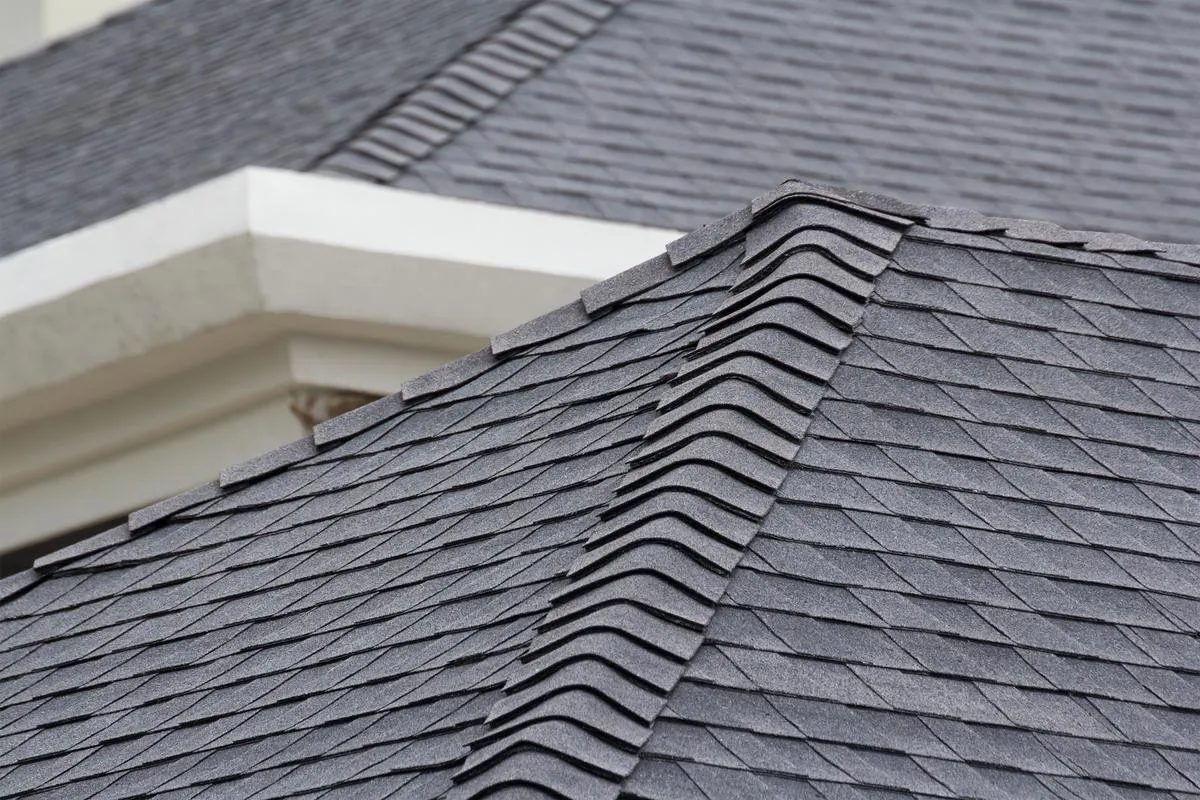
Asphalt shingles are the most common roofing material in the U.S. They are affordable, easy to install, and come in various colors and styles. However, they may not be the best choice in extreme weather conditions.
Metal Roofing
Metal roofs are gaining popularity due to their durability and energy efficiency. They can withstand harsh weather conditions and are recyclable, making them an environmentally friendly option.
Slate Roofing
Slate is one of the most durable roofing materials available, lasting over a century. Its natural appearance adds significant value to a home, but it comes with a higher price tag and requires professional installation.
Wood Shake Roofing
Wood shakes offer a rustic aesthetic but require regular maintenance to prevent rot and insect damage. They are not recommended in fire-prone areas.
Tile Roofing
Tile roofs are known for their longevity and ability to withstand harsh weather. While they can be expensive and heavy, they provide excellent insulation.
Conclusion
Choosing the right roofing material for your home is a significant decision that impacts both aesthetics and functionality. Consider factors such as durability, climate, maintenance, and budget to make the best choice for your needs. By investing in the right roofing material, you can enhance the beauty of your home while ensuring its protection for years to come.